Hands-On History Homeschool: Why Living History Changes Everything
By Bryanna Buff · 2026-06-18
My daughter used to dread history. Then we baked colonial bread and built a catapult out of sticks, and everything changed. Here's how living history works.
My daughter used to dread history. She'd open the textbook with the same enthusiasm she saved for cleaning her room. Names, dates, battles, all of it blurred into a gray wall of facts that didn't connect to anything she cared about.
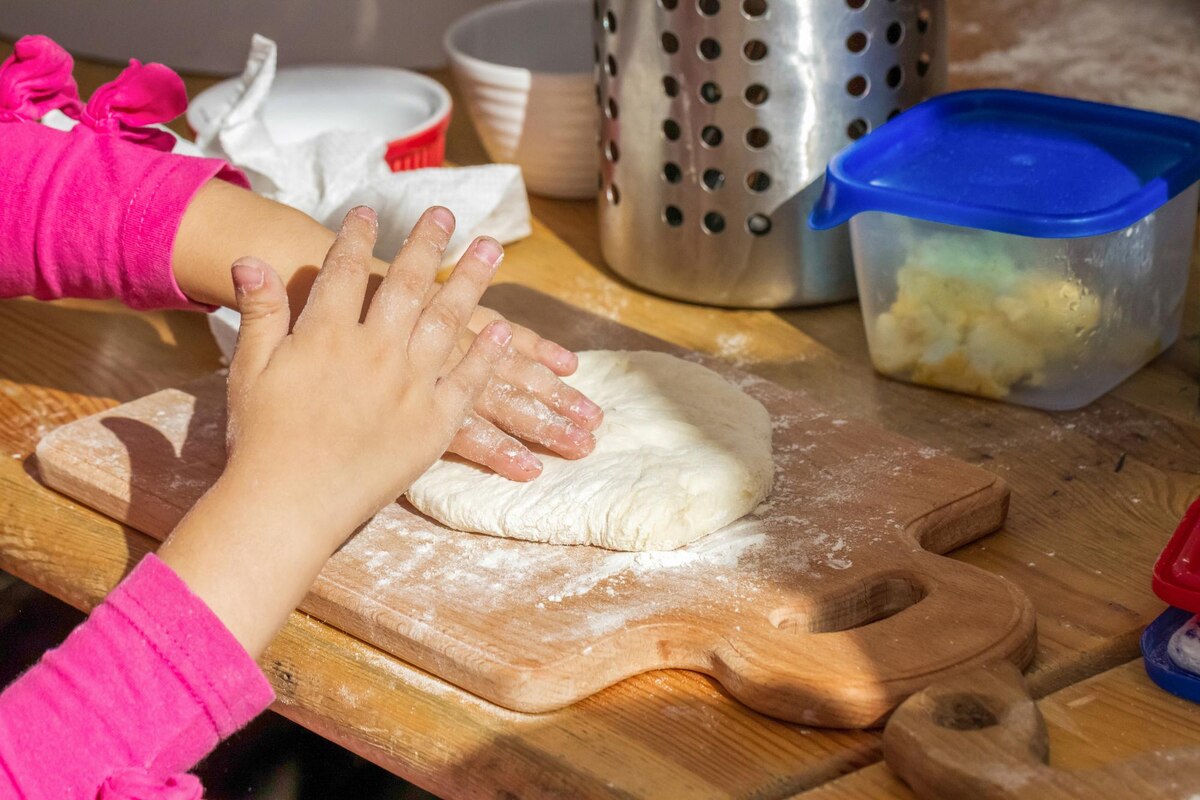
So we tried something else. We baked bread the way a colonial family would have, flour everywhere, the kitchen warm. We built a wobbly catapult out of sticks and twine and launched marshmallows across the yard. We sat in a circle and read aloud from the journal of a girl her age living through the Civil War.
She hasn't dreaded history since.
If that sounds like your kid, the bright, curious one who somehow can't be bothered with the past, you're not alone. And the problem almost certainly isn't your child. It's the way history usually gets taught. A hands-on history homeschool approach changes that, and below I'll walk through why it works and how to start at home this week.
The problem with textbook history
Most history curricula were built to cover ground, not to make connections. A standard textbook marches through eras and events at a pace that leaves no room to wonder about any of it. Kids hold the facts long enough to pass the test, and then the facts evaporate.
That's not the children failing. It's the approach.
Step back from the textbook and history is just the story of people. People who faced hard choices, built things, made mistakes, loved and fought and created. It's the most human subject there is. The trick is teaching it in a way that lets that humanity come through.
What "living history" means in a homeschool
Living history replaces or supplements textbooks with living books, primary sources, hands-on activities, and real experiences. The idea isn't new. Charlotte Mason argued for well-written, narrative books over dry textbooks more than a hundred years ago. But it has grown well past book lists.
In a homeschool, living history often looks like this:
Reading real stories instead of summaries. Instead of a three-paragraph textbook entry on the Middle Ages, kids read a novel set in a medieval village, a monk's diary, or a picture book that brings one moment to life.
Making things. Studying ancient Rome, they build a small arch from blocks or mix natural pigments and paint the way cave artists did. The act of making something anchors the learning in a way reading alone can't.
Cooking the food. Few things make a period feel real like eating it. A simple medieval pottage, hardtack like a Civil War soldier carried, tortillas from scratch during a unit on Mesoamerica. Suddenly the era has a taste and a smell.
Dressing up and acting it out. This one lands hard with younger kids. A tunic and a wooden sword, a bedsheet toga and a senate debate. They step into the role and feel it from the inside.
Visiting real places. Historic sites, living history museums, heritage farms. Florida has more of these than most people realize, from Spanish colonial forts to pioneer homesteads.
Why hands-on history works
This isn't only a feel-good thing. There's real cognitive science behind why experiential learning sticks.
Multi-sensory encoding. When kids learn through several senses at once, touching materials, smelling food cook, hearing a story read aloud, the brain lays down more pathways to that memory. A fact read off a page has one route in. A fact learned with your hands buried in bread dough has several.
Emotional engagement. Emotionally charged experiences get encoded more strongly into long-term memory. The thrill of a catapult firing, the pride of finishing an illuminated manuscript, that feeling carries the history along with it.
Context and meaning. Isolated facts are hard to hold because they have nowhere to hang. Drop a historical detail inside a real story, or better, inside an activity, and a child understands why it matters. Understanding why something matters is where real learning starts.
What this looks like in a co-op
Here's something I didn't expect: hands-on history is even better in a group. History was never a solitary thing. People lived it together, argued about it together, built things together. Learning it in community just feels right.
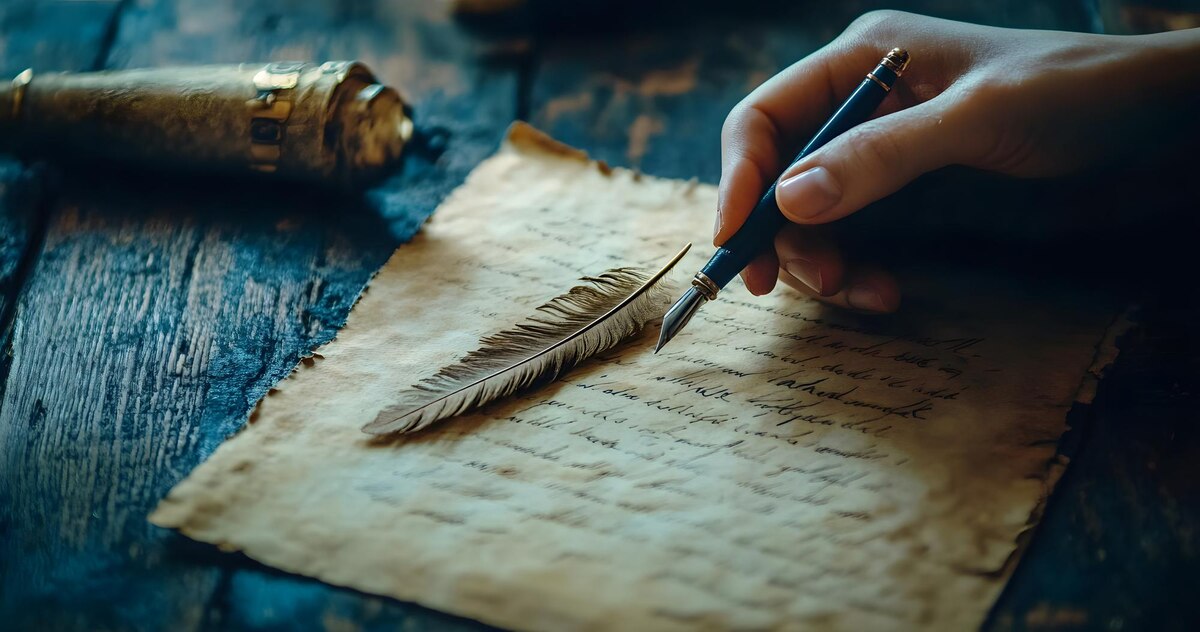
In a co-op, a class might unfold like this. It starts with a story, a teacher or parent reading from a living book or telling the narrative of the period while the kids listen and ask questions. Then comes the making, a model castle, a heraldic shield, writing with a quill and ink, never busywork, always tied to deepening the era. Discussion runs through the whole thing. What was it like to live then? How did people solve problems without our tools? What would you have done?
The kids leave with something they made, a story they'll remember, and usually a lot of noise about what's next. That kind of history doesn't fade after the test.
At Ivory & Sage Homeschool in Brooksville, our History Quest: Kids Journey Through Time program is built on exactly this. Kids journey through time with hands-on projects, living books, and immersive experiences, from ancient civilizations through the Middle Ages and beyond. It's history the way it should be: tactile, alive, and hard to forget. You can see how it fits with our other hands-on programs too.
How to start living history at home this week
You don't need a co-op to begin. A few ways to bring living history into your homeschool right now:
Swap the textbook for a living book. Pick a well-written historical novel set in whatever era you're on. For little ones, picture books with strong illustrations do the work. For older kids, historical fiction by Rosemary Sutcliff or Elizabeth George Speare can genuinely change how they see the subject.
Pick one hands-on project per unit. You don't have to be crafty. Make a food from the era, build a small model, draw a map. One physical thing cements the unit. Homeschool blogs are full of ideas sorted by period.
Use a timeline. A visual timeline on the wall shows kids how events connect and where their current study sits in the bigger picture. Adding to it as you go builds a growing record of everything they've covered.
Cook together. Lowest barrier, highest payoff. Find a recipe tied to the period and make it. Talk about where the ingredients came from, how people ate, what an ordinary day looked like. The conversation around the food is often the best part of the lesson.
Find local connections. Florida is full of history, from Seminole heritage and the Spanish colonial era to pioneer settlements and Civil War sites. Look for historic sites and living history events near you. Hernando County, Pasco County, and the wider Nature Coast region have more than you'd guess. If you want to check the rules side of homeschooling here, the Florida Department of Education's home education page is the place to start.
History doesn't have to be boring
If your child thinks history is boring, chances are they've just never gotten to experience it. The subject itself is endlessly interesting. It's the story of who we are and how we got here. Give kids real stories, real objects, and real experiences, and something clicks. They stop memorizing dates and start understanding people. They stop dreading the subject and start asking what comes next.
That shift, from passive absorption to active curiosity, is the whole thing.
If you're looking for a homeschool community near Brooksville that takes hands-on history seriously, we'd love to welcome your family. Our History Quest programs are open for semester and yearly enrollment, and as an approved Step Up for Students provider, we can talk through funding options too.
Explore the History Quest program or browse all our programs.