Traditional Skills for Kids: Why Heritage Education Matters
By Bryanna Buff · 2026-07-06
My grandmother could bake bread, mend a dress, and name every edible plant near her house. Most of us lost those skills in two generations. Here's how we're teaching them back.
My grandmother could make bread from scratch, mend a torn dress, start a fire without matches, put up a summer's worth of vegetables, and name every edible plant within walking distance of her back door. She never thought of these as special skills. They were just how you got through a week.
Two generations later, most of us can't do any of it. And more and more parents are noticing that something got left behind in the trade — not only the practical know-how, but the quiet confidence that comes from being able to make, fix, and grow things with your own hands. That's why teaching traditional skills for kids has become a real part of how we homeschool, not a side hobby we get to if there's time.
Here's the short version, if you're skimming: traditional skills are the hands-on, heritage abilities families once passed down at home — cooking from scratch, gardening, sewing, food preservation, fiber arts, woodworking. We teach them at Ivory & Sage in Brooksville, Florida because they build competence, patience, and a real connection to history in a way no worksheet can.
What are "traditional skills," exactly?
Traditional skills — you'll also hear them called heritage skills, homesteading skills, pioneer skills, or lost arts — are the everyday practical abilities that kept families and communities going for centuries, before factories and grocery stores made most of them optional.
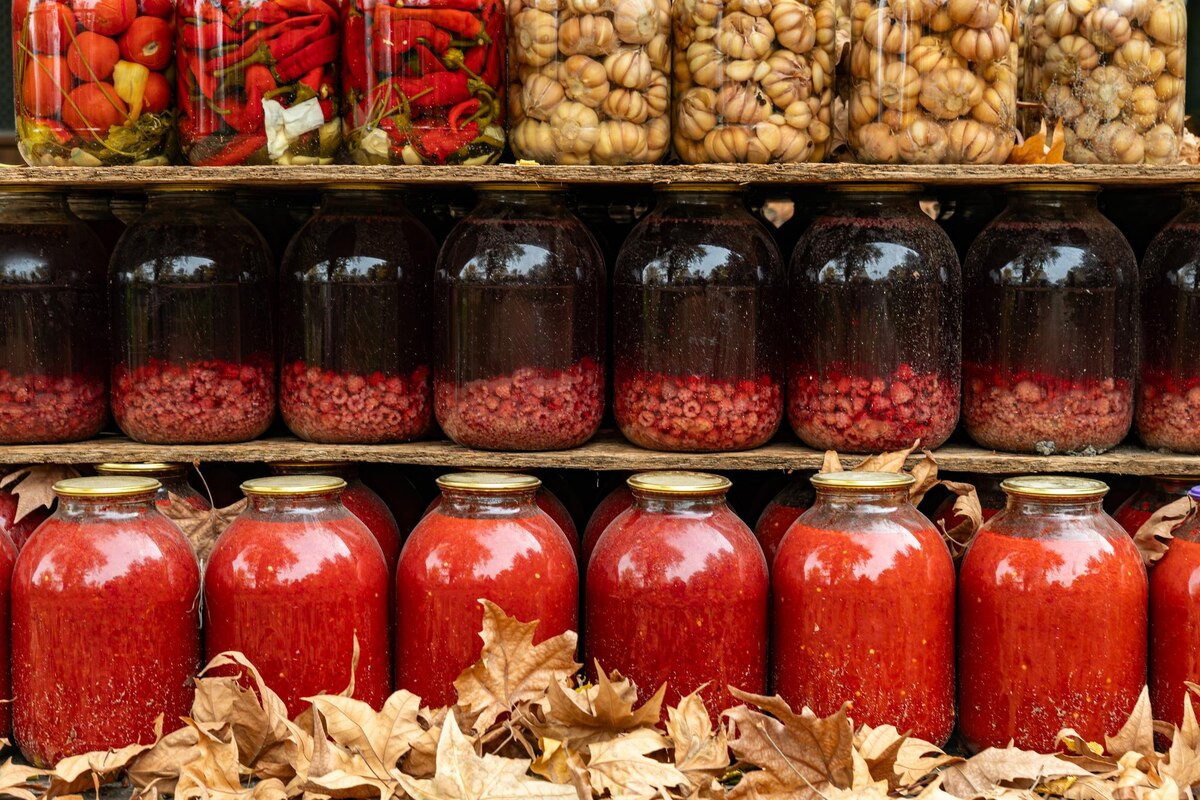
The category is wide. It usually covers food preservation (canning, drying, fermenting, pickling), bread making and from-scratch cooking, gardening and seed saving, basic carpentry and woodworking, fiber arts like spinning and knitting and mending, natural dyeing, herbal remedies, fire craft, soap making, candle making, and the rest of the household production that used to happen at home.
None of these are relics. They're the skills every generation taught the next for thousands of years, right up until about two generations ago, when most of the work quietly moved to factories and we stopped learning how.
Why teach traditional skills to kids?
Fair question. With grocery stores, Amazon, and a YouTube tutorial for everything, why would a child need to know how to preserve food or build a shelf?
It isn't really about survival, though I won't pretend that's never part of the appeal. It's about what these skills grow in a kid.
Competence and confidence. When a child makes something real — bread they can eat, a candle that actually lights, a garden bed that produces food — they get a kind of confidence no test score hands out. They made it. It works. They can do it again. That "I can do this" feeling sits at the foundation of how a kid sees themselves, and it's getting harder to come by in a world that mostly measures competence through abstractions.
Problem-solving. Traditional skills are full of variables. The bread didn't rise — why? The seeds won't germinate — what's off? The fire keeps dying — what has to change? None of these come with an answer key. They take observation, a guess, a test, and an adjustment. That's the scientific method, applied to something a kid actually cares about because their dinner depends on it.
A real connection to history. This is where heritage skills and history study overlap, and it's my favorite part. When a child cooks over an open fire, they understand something about colonial life no textbook can deliver. When they try to spin fiber into thread by hand, they get why the spinning wheel was a big deal. When they put food up for winter, they feel — in their tired hands — why harvest season meant so much to people who farmed. History stops being dates and starts being something they did.
Patience. In an instant-everything culture, these skills teach a kid to wait. A garden takes months. Bread takes hours. Fermentation takes days. Learning to trust that something's happening even when you can't see it yet is a life skill that reaches far past the kitchen.
Knowing where things come from. Kids who learn to make things stop taking them for granted. They tend to think harder about food, clothing, and waste as they get older, because they know what goes into the stuff most people never think twice about.
Time across generations. Teaching these skills builds natural bridges between ages. A grandmother showing a grandchild how to knit, a dad teaching a kid to build a shelf, an older neighbor pointing out which plants you can eat — those moments pass along knowledge that otherwise just disappears.
How traditional skills fit into homeschooling
Homeschooling suits this kind of learning well, mostly because heritage skills refuse to fit inside a 45-minute period. They need time, space, a little mess, and the flexible schedule that homeschool life already runs on.
A few ways families work them in:
As part of history study. This is the most natural fit. When you're in a historical period, learn the skills of that period. Studying the Middle Ages? Bake bread, dip candles, try a little illuminated lettering. Studying colonial America? Preserve food, make soap. Studying Indigenous cultures? Learn plant identification and traditional food preparation. The history becomes real the moment hands get involved.
As its own subject. Some families set aside one afternoon a week for a "skills day" and rotate through different crafts over a semester. This works especially well in a co-op, where an instructor with real expertise can lead and several families can split the cost of supplies and equipment.
As ordinary life. The simplest version is to stop outsourcing and start making things together. Bake the bread. Grow herbs on the windowsill. Mend the jeans instead of tossing them. Cook dinner from whole ingredients. None of this is "school," but it teaches more than most curricula.
Through the seasons. Heritage skills are seasonal by nature, which hands you a built-in calendar. Spring is for starting seeds and prepping the garden. Summer is for growing, harvesting, and putting food up. Fall is for the harvest and getting ready for winter. Winter is for indoor work — fiber arts, woodworking, candle and soap making, and cooking from what you stored. Following that rhythm ties kids to the natural world and gives the year a shape that actually feels good.
Where to start, by age
You don't need a homestead or a barn to teach this. Here are starting points sorted by age.
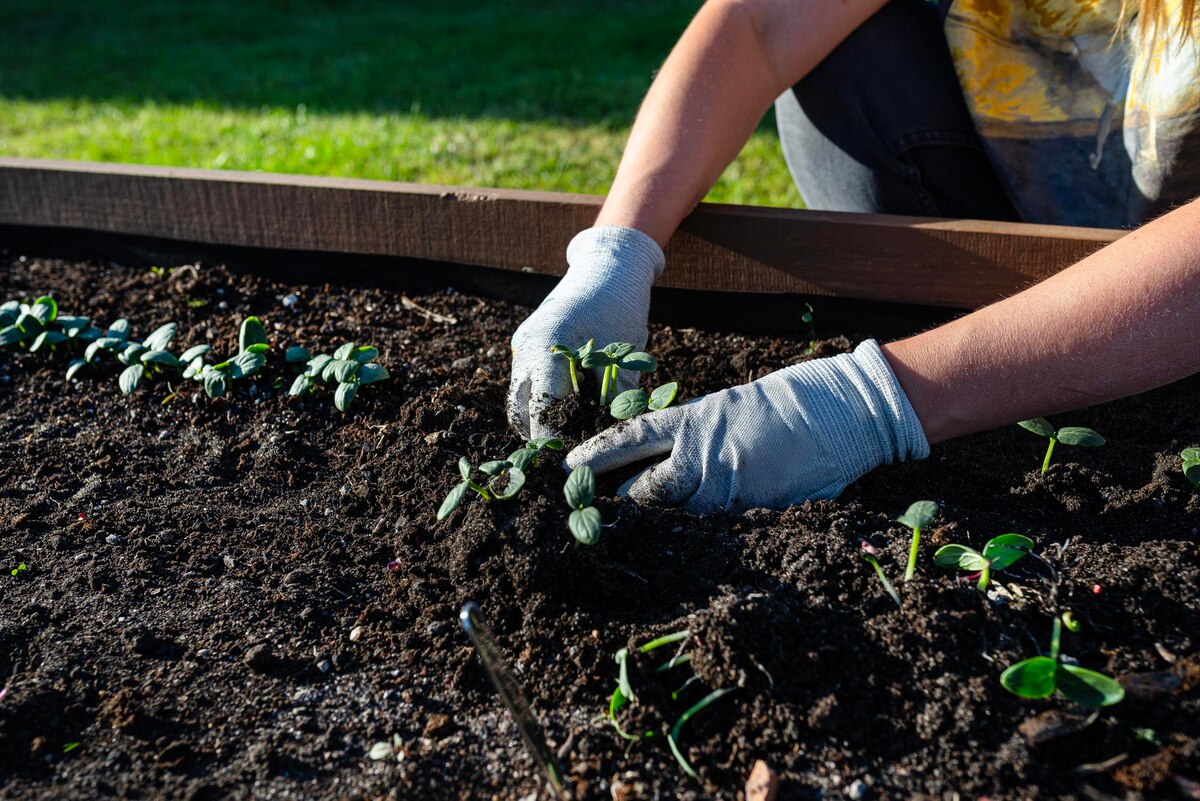
Toddlers and preschoolers (ages 1–5). Kneading bread dough. Pressing seeds into pots. Stirring batter. Washing vegetables. Simple weaving with paper or ribbon. Smelling and touching fresh herbs. Watering the garden.
Elementary (ages 5–12). Baking bread from scratch. Basic hand sewing. Starting and tending a garden. First food preservation — making jam, drying herbs. Simple woodworking with hand tools and a grown-up nearby. Natural dyeing with kitchen staples like turmeric, berries, and onion skins. Cooking real meals.
Teens (ages 12–17). Sourdough and fermented foods. Water-bath and pressure canning. Sewing simple garments and proper mending. Woodworking projects. Herbal preparations like teas and salves. Fire craft and outdoor cooking. Even some homestead economics — figuring out what it actually costs to grow your own food versus buy it, which sneaks real financial literacy in the side door.
A movement, not a trend
Interest in teaching traditional skills for kids isn't a fringe thing. It runs alongside the homesteading revival, the slow food movement, the maker movement, and a steady pile of research showing that hands-on, experiential learning sticks better than sitting and listening.
Homeschool families ended up near the front of this, partly because we have the time and the flexibility, and partly because a lot of us came to homeschooling already drawn to self-sufficiency and education that goes deeper than test prep. Co-ops built around heritage skills are popping up across the country, bringing families together to learn the things that are genuinely hard to do alone — fiber arts, large-batch preservation, natural building — and forming little communities around shared, older knowledge.
Heritage skills at Ivory & Sage
At Ivory & Sage Homeschool in Brooksville, traditional skills aren't an add-on. They're close to the center of what we do.
Our traditional-skills and heritage programs walk kids through hands-on projects tied to the rhythms of the year. Sowing the Season follows the planting, growing, and harvesting calendar. Pioneer Playtime leans into hands-on pioneer-era skills, and Tiny Traditions gives our youngest learners sensory, hands-on experiences rooted in the old ways. Our History Quest: Pioneers In Progress program folds traditional skills straight into history study — because when you're learning about life on the frontier, the best way to understand it is to live a small piece of it with your hands.
We're an approved Step Up for Students provider, so for many families these programs are within reach through their scholarship funding. (If you're new to Florida home education, the Florida Department of Education keeps a plain-English overview of your options and requirements.)
We're based in Brooksville and we welcome families from across Hernando County, Pasco County, Citrus County, and the greater Tampa Bay area. We serve ages 1 through 17. If your family values an education built on making, growing, and carrying old skills forward, I'd love to meet you.